Birds of the Ridge
Where the Nestucca Bay Refuge starts at the deck rail
An active flyway, right outside the suite
The Nestucca Bay National Wildlife Refuge runs directly below the suite, and the dark-sky-compliant neighborhood means the birds wake before the human noise does. Hummingbird feeders and seed feeders draw constant traffic on the deck; bald eagles, vultures, and the occasional owl pass overhead; waterfowl gather on the refuge wetlands below. This page is part field guide, part scrapbook — what's here, when to look, and what's been visiting lately.
What you'll see
Organized by where to look for them.
At the feeders
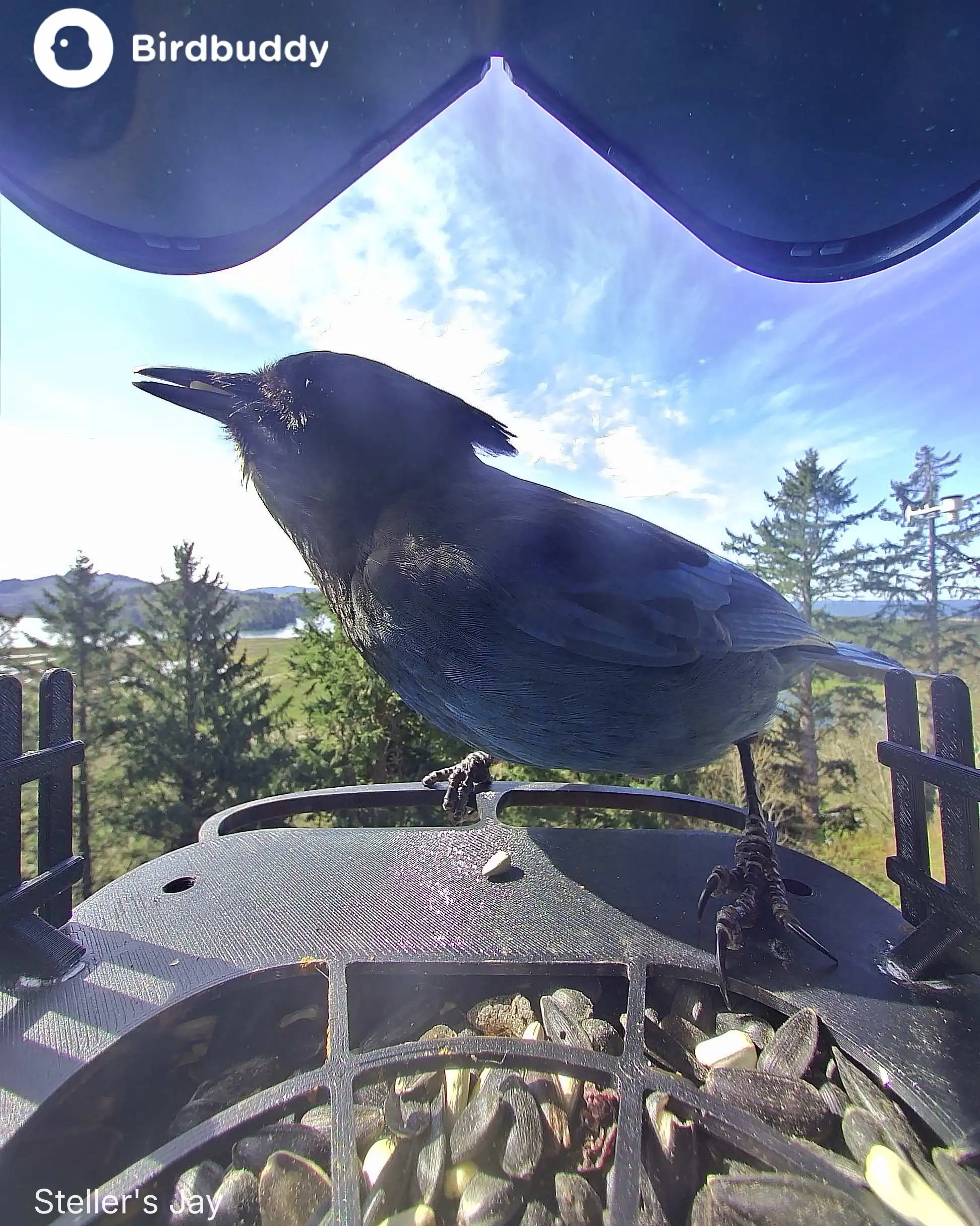
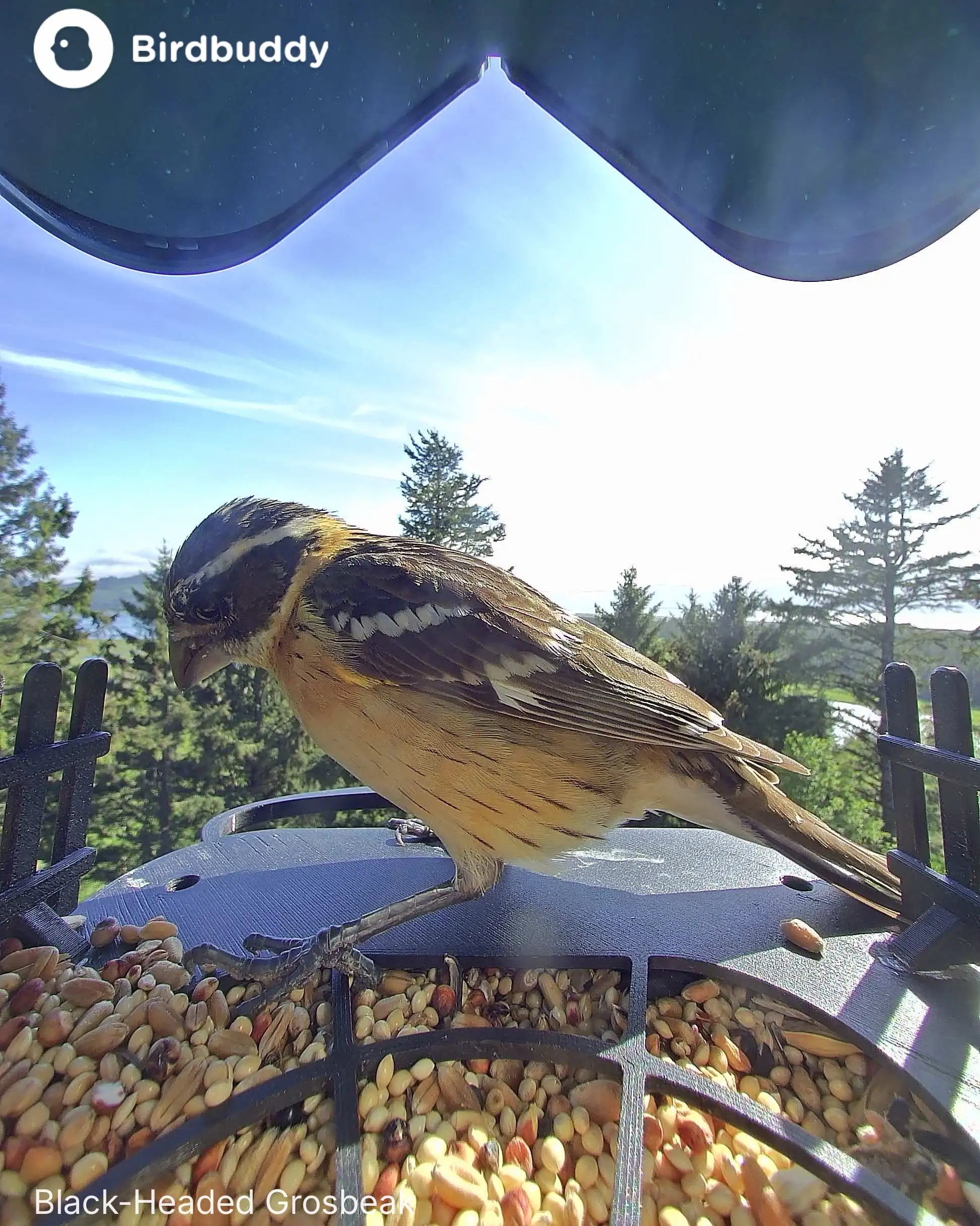
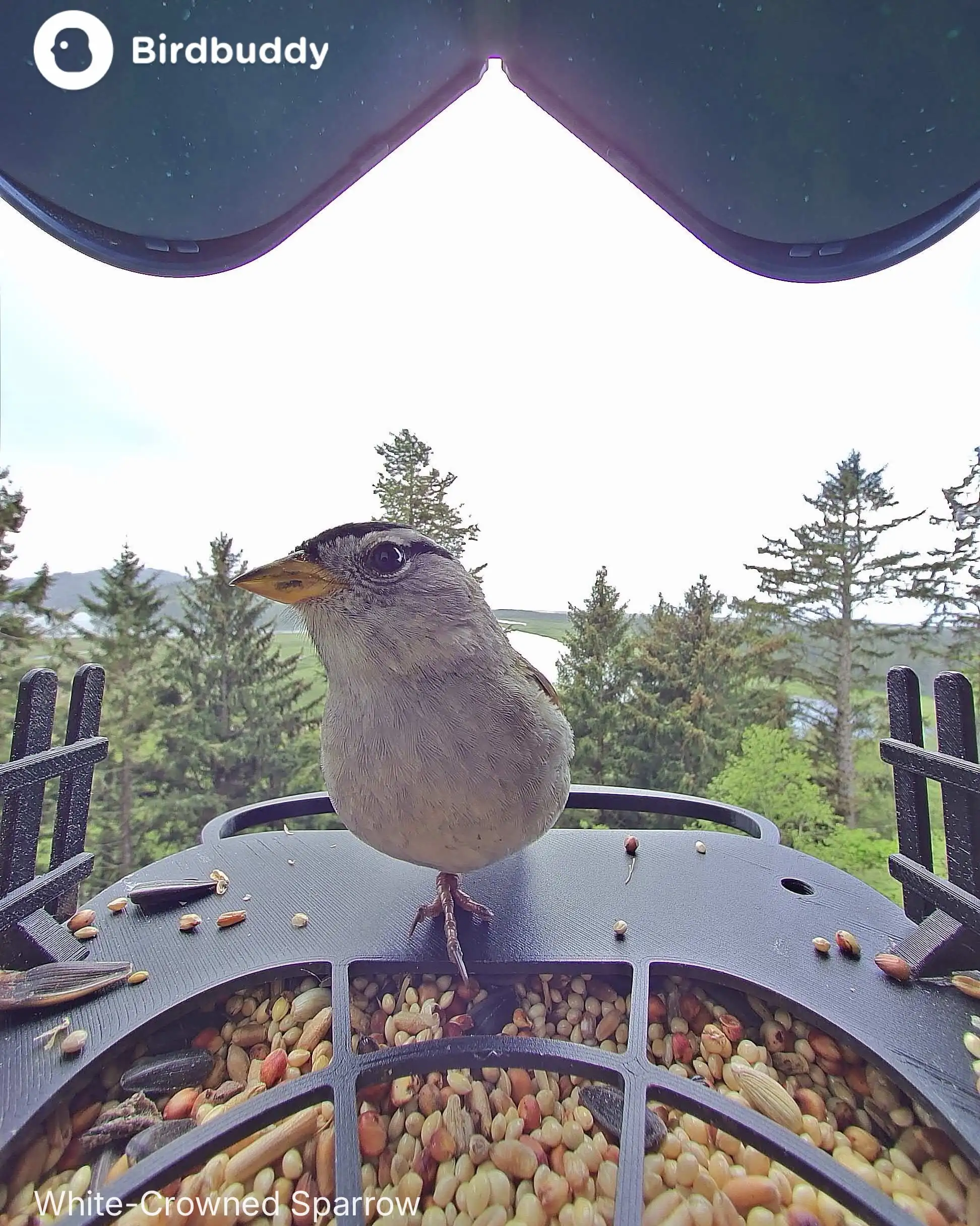
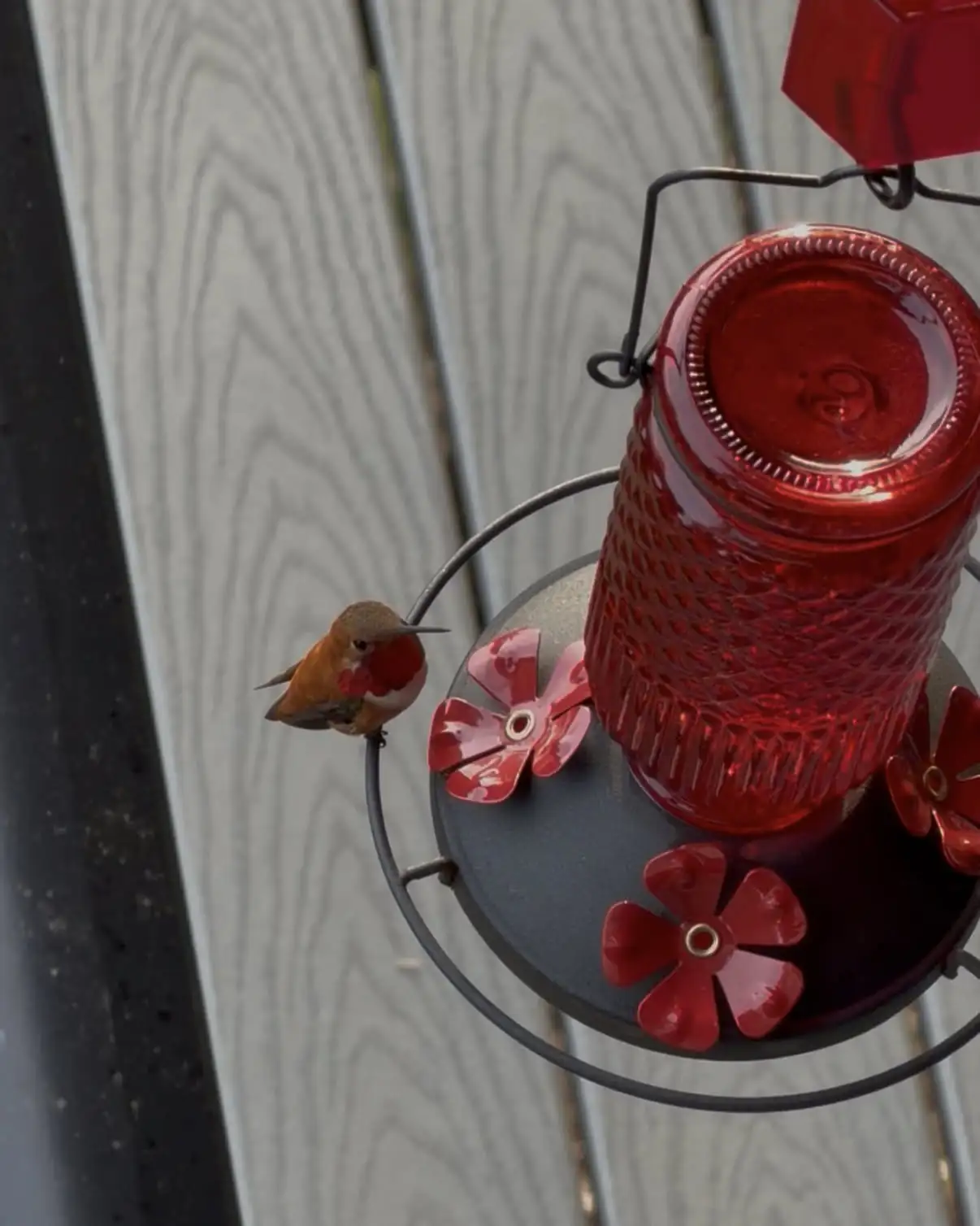
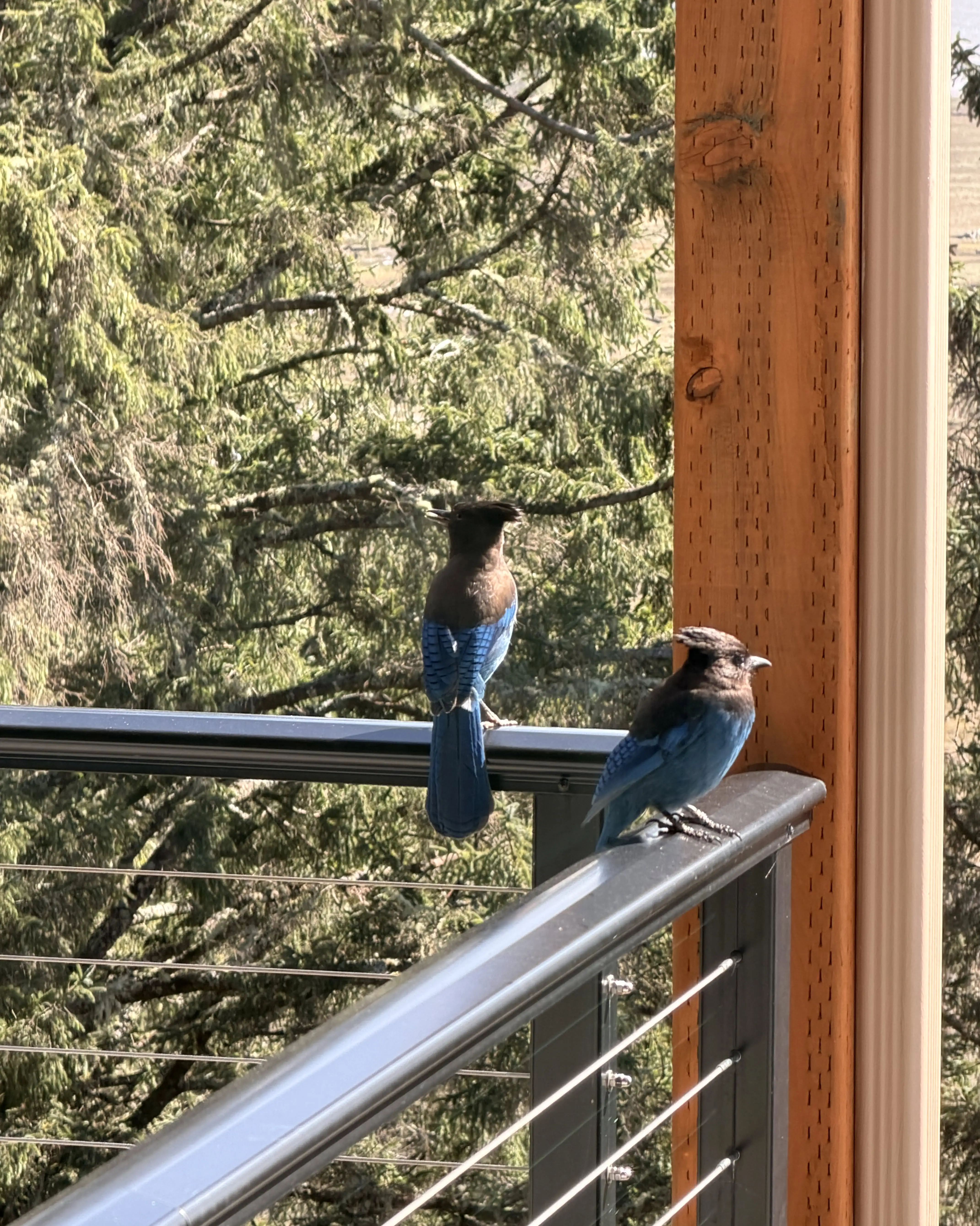
Right outside the deck, hummingbird feeders and seed feeders run year-round. Expect Anna's hummingbirds almost any time of year, with rufous and other species passing through during migration. At the seed feeders, Steller's jays, black-headed grosbeaks, white-crowned sparrows, and golden-crowned sparrows are the most consistent visitors.
Overhead
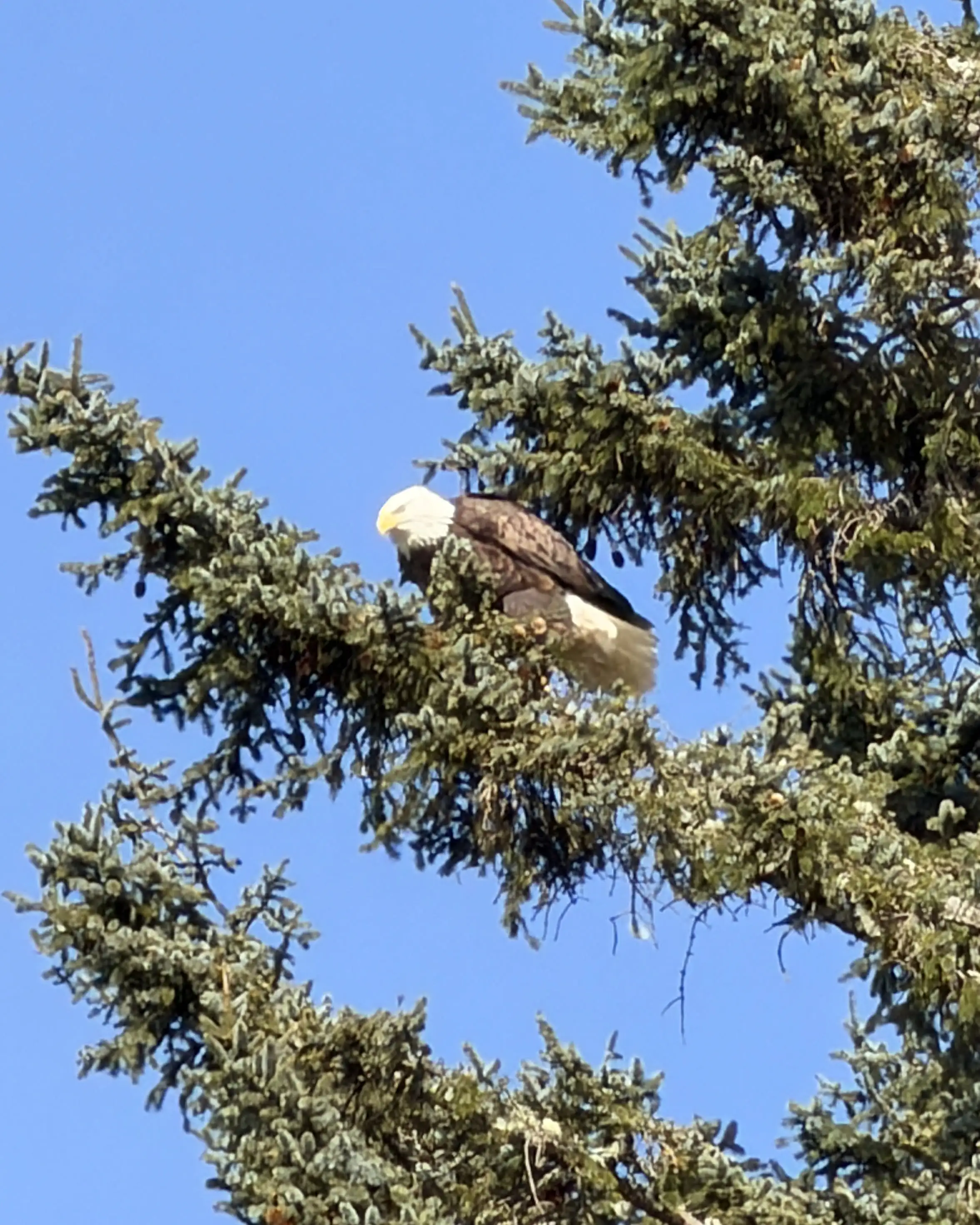
Bald eagles and turkey vultures are regular sights drifting above the ridge. We're still adding to this list as we identify new visitors.
On the refuge
The Nestucca Bay refuge is important habitat for great blue herons, dusky Canada geese (the refuge's signature winter migrant), cormorants, and a variety of dabbling ducks. Tide and time of day matter; early morning and dusk are the most active windows.
After dark
Owls are out there — we've caught one on our security camera but haven't yet identified specific species. Our dark-sky-compliant neighborhood means their calls aren't competing with road noise, so listen at dusk and dawn.
Recent sightings
A growing gallery of birds we've photographed from the deck and around the refuge.
Plan your birding visit
Best times of day
Dawn and dusk are the most active windows — birds are most vocal and the light is soft over the bay. Mid-morning is the next-best window for hummingbirds at the feeders. Midday tends to quiet down, especially in summer.
Best times of year
Spring (Mar–May): migrants return; nesting season begins for resident species. Fall (Sep–Nov): the locals' favorite — quieter beaches, dramatic light, fall migration. Winter (Dec–Feb): peak waterfowl on the refuge plus gray whale migration offshore.
What to bring
Binoculars (bring your own — 10x42 is the birding sweet spot), a field guide or the Merlin Bird ID app, layers (the deck cools quickly at dawn), and patience.
Nearby hotspots
- Nestucca Bay NWR — right outside the suite; accessible trails along the south end of the refuge.
- Sitka Sedge State Natural Area — a quieter mix of bay tidelands, wetlands, and coastal forest a short drive south.
- Whalen Island — a county park on the Sand Lake estuary; waterfowl and shorebirds in a quiet setting.
Watch from the deck
Two Adirondack chairs, a cocktail table, and a front-row seat to the refuge. Stay above the Nestucca Bay and start your morning with the locals.